The feature article in the April 13, 2014 New York Times Sunday Review section entitled “Raising A Moral Child” by Adam Grant covers the fundamentals of good parenting that every person, not just parent, should know. Essentially, we need to be mindful of the difference between shame and guilt and make sure we are never shaming our children or others for that matter. Shame is the feeling that one is a bad person while guilt refers to one’s behavior being wrong. If we learn to praise good character and punish bad actions essentially we are on the right track. Children who are praised for good character show far more generosity and caring in research studies.

Tag Archives: lifestyle
I am a dog person. I playfully postulate that there are two basic sets of humans: dog people and non-dog people. If you are a dog lover then this article by David Hochman in the Sunday Styles section of the New York Times is worth reading. The thesis is that dogs are far smarter and more capable than many people realize. For instance, a 9-year-old Border Collie in South Carolina may know up to a thousand words. Another dog in Japan is capable of detecting early stage colon cancer at an astounding 98 percent success rate! The next time you are tempted to believe your dog is stupid, you might want to put a little time, energy, and money into training him or her better. Much like humans, the more stimulation we give our pets in terms of memory and learning the better!
Learning more about the mind and it’s abilities is always fascinating to me! An article by Sumathi Reddy in the Personal Journal section of the Wall Street Journal suggests that forgetfulness is not only pervasive as many of us suspect but linked to our genetics in a substantial way. For instance, one study found that 75 percent of people may carry a gene mutation that leads to higher incidences of forgetfulness. As we age, the brain shrinks making us more prone to memory and concentration lapses too. The good news is that there is plenty we can do to help ourselves. When we encode memories if we pay closer attention to our behavior we are more likely to remember things. In other words, the more present we are, the better our memory! This is part of how I teach others to succeed in life, business, and sports. The more in the here and now we are, the better our performance no matter what the activity!
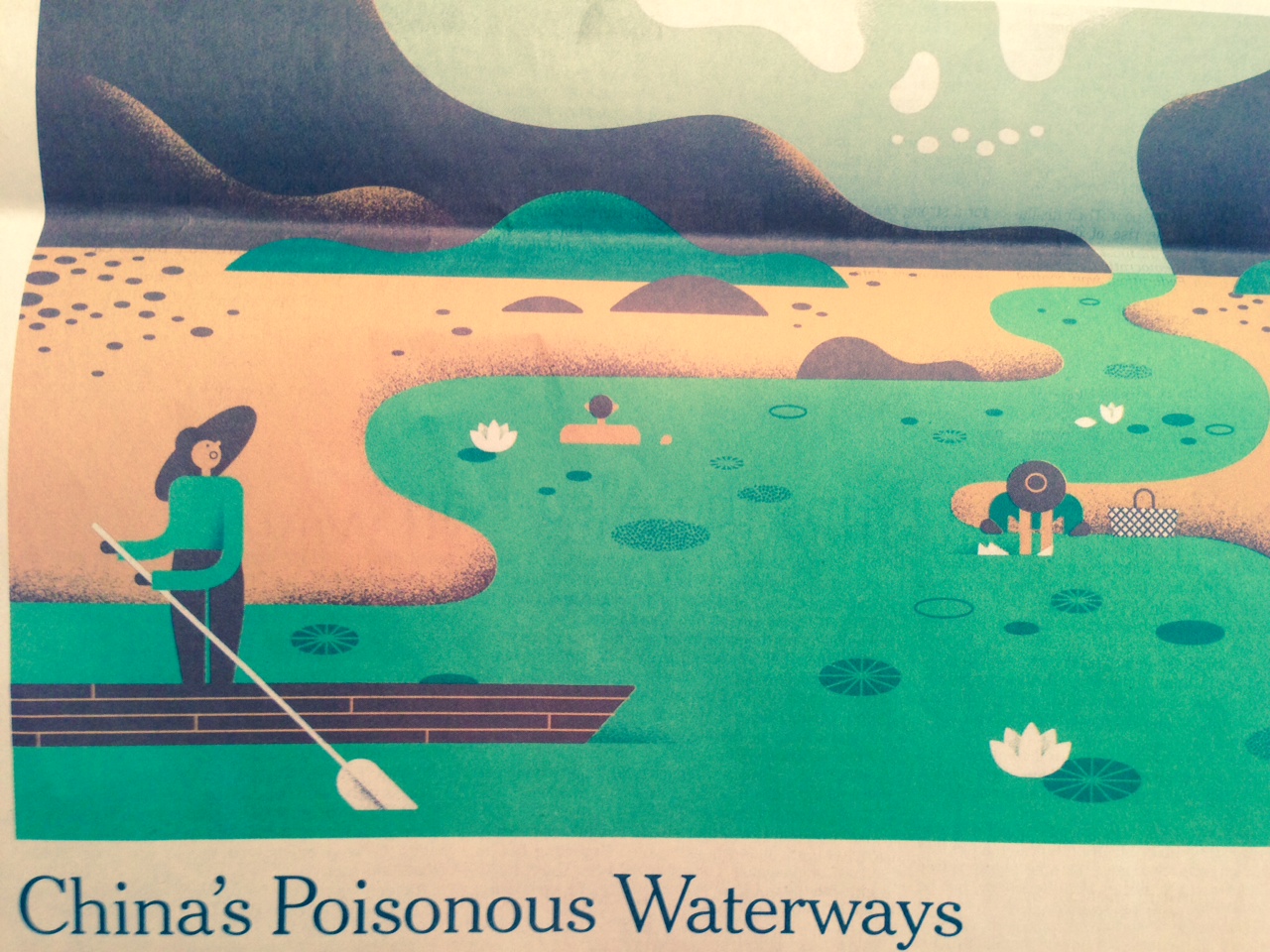
I’ve wrote other posts about China’s environmental problems after reading various articles but this one in The New York Times Review section takes the cake. According to Sheng Keyi, a former resident of Huaihua, a village on the Lanxi River in Hunan Procince, the river is dead, destroyed by pollution from factories and animal waste. Cancer rates are enormous and citizens continue to drink unsafe, toxic water because they have no choice while the privileged send their children abroad or consume clean water through networks that serve the wealthy.
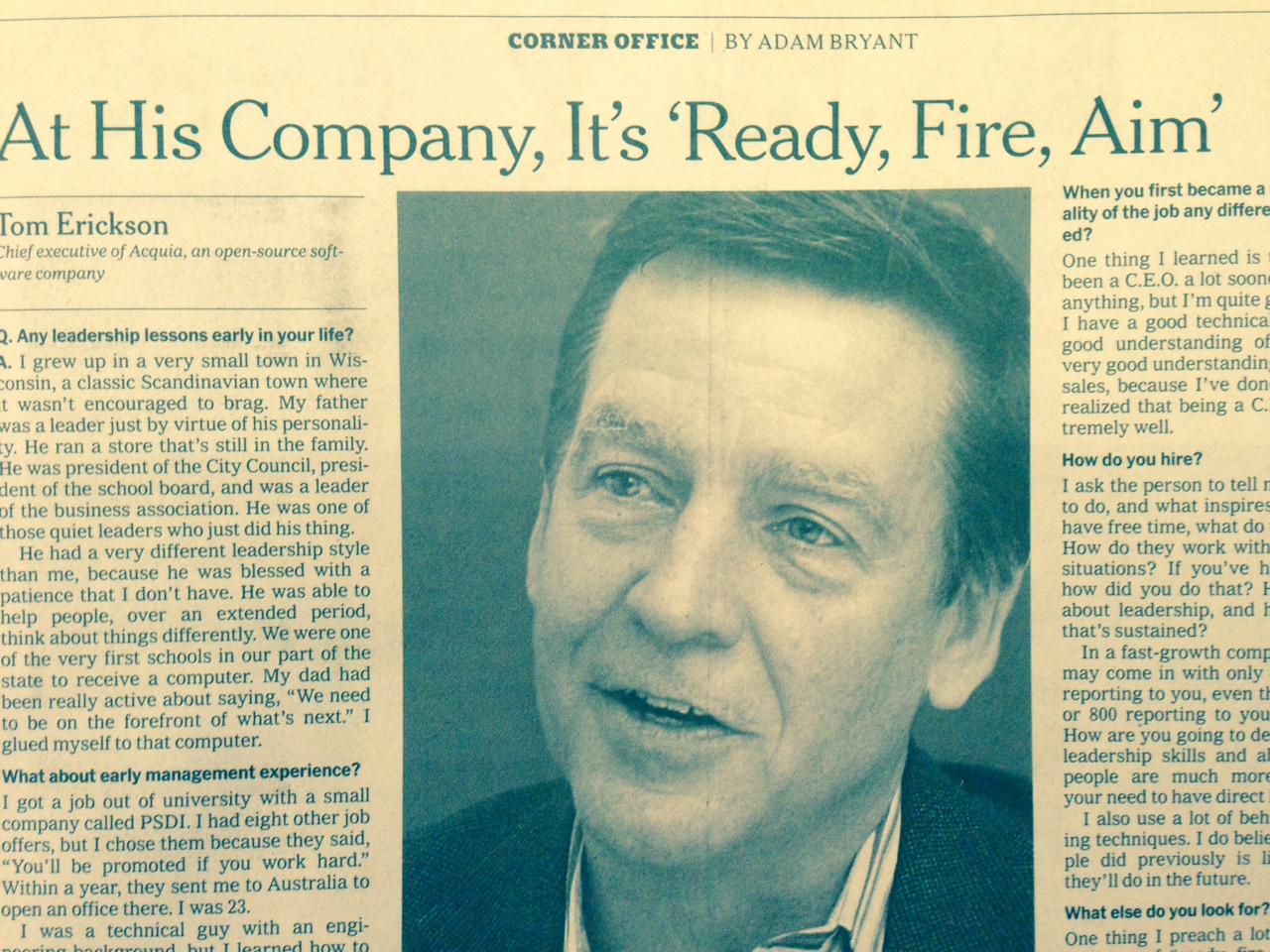
Tom Erickson, C.E.O of Acquia, an open-source softwear company, addresses the value of accepting failure on an emotional level in this Corner Office interview. He states, “I’m looking for people who are going to jump in and own their own work, who are going to risk something and risk failing.”
I am a huge Gabriel Cousens fan. An M.D (psychiatrist), accomplished author, homeopath, and deeply spiritual being (enlightened), he exemplifies creativity, knowledge, grace, and contribution. His Tree of Life Foundation in Arizona offers all kinds of experiences and knowledge on nutrition, meditation, spirituality as well as a host of other important perspectives on living a healthy, successful life! His books science, spirit, and nutrition are profound. When I read his book Spiritual Nutrition several years ago after going through a devastating health crisis that cost me my health, my business, my self-esteem, my relationship and much more, I finally realized what had happened to me. Dr. Cousens is a true genius! In his words,”I am at peace in my body, mind, family, community, ecology, and with God.” Thank you Dr. Cousens!
I just spent the last two days at Squaw Valley doing a travel writing gig. Before I left, the PR director for the resort took me out to lunch at High Camp, a restaurant far up the mountain. Not only were the views spectacular but the conversation was refreshingly deep. The young woman grew up in Newport, RI and attended several prestigious private schools. Now she lives in the heart of the Sierra Nevada’s enjoying an outdoor culture based largely on lifestyle and happiness far removed from the rat race. She told me that she finds travelers to be the most interesting people to meet and converse with because they tend to be more open minded and aware having experienced so many different people and cultures. Her parents, who lived conventional lives, don’t always understand her or how she lives more in the moment. They planned and saved and did what they were supposed to do. Nothing wrong with that she says but they can’t really guide her as she feels parents should. I told her that I teach people through a combination of meditation and mindfulness to develop their own internal guidance system so that they are less influenced by others who may not truly understand them. Instead we learn to go inward for answers and trust our intuition. After all, it is simply the best way to live!
Ian Lustick, a U-Penn political science professor and Middle East expert since 1980, argues intelligently that a two-state solution to the mess in Israel between Palestinians and Jews is not only an illusion but its continued belief is causing harm to the piece process itself. He outlines why self-interest propels each party to continue to propose a solution that will never occur and has long lost it’s viability. For instance, professor Lustick suggests that the Palestinian Authority “needs it’s people to believe progress is being made toward a two-state solution so it can continue to get the economic aid and diplomatic support that subsidize the lifestyle of its leaders, the jobs of tens of thousands of soldiers, spies, police officers, civil servants, and the authority’s prominence in a Palestinian society that views it as corrupt and incompetent.” He goes on to outline American, Israeli, and “peace process” industry motives as well before discussing more realistic solutions.